
Self-Priming vs Auto-Priming Pumps
Comparison · Pumps · 29 June 2026 · 3 min read
Sample article — editorial to be reviewed
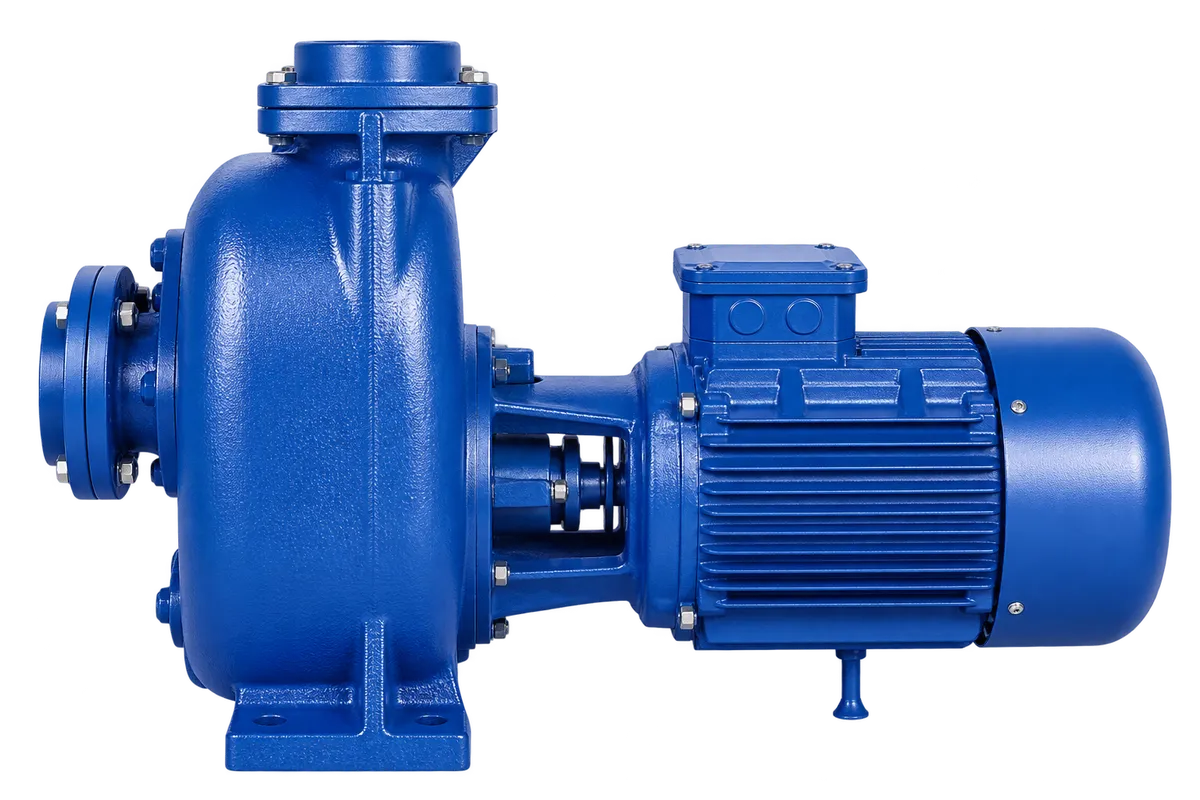
Both self-priming and auto-priming pumps solve the same problem — starting a surface pump when the suction line contains air — but they do it in different ways, and the difference matters on site.
How self-priming pumps work
A self-priming centrifugal pump keeps a reserve of water inside its casing. On start-up it recirculates this water to entrain air from the suction line, discharging the air until liquid arrives. It needs an initial fill, a limited suction lift, and some patience on long suction lines.
How auto-priming pumps work
An auto-prime pump uses a separate priming device — typically a vacuum pump or compressor-driven ejector — to evacuate the suction line mechanically. It primes faster, handles longer suction lifts, and re-primes automatically if the water level drops and air enters the line ("snore" operation).
Choosing between them
- Fixed installations with modest lift — a self-priming pump is simpler and cheaper.
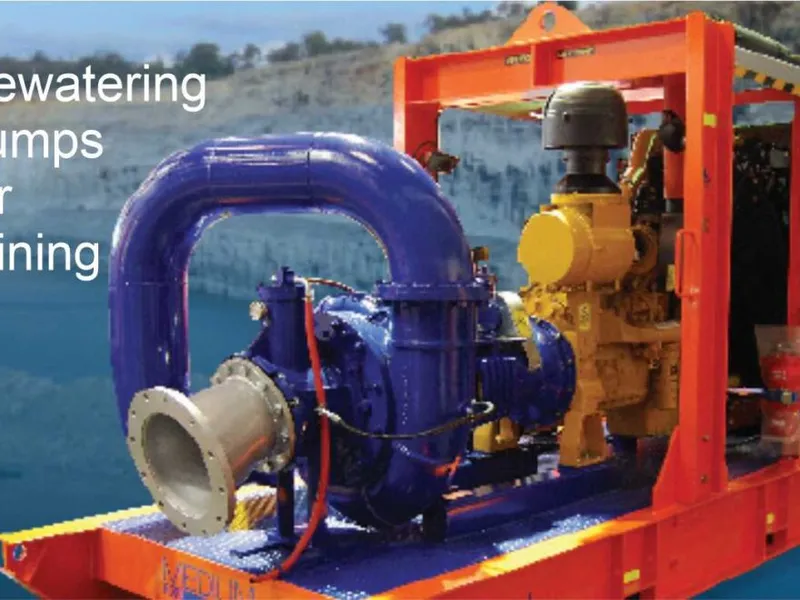
- Site dewatering, sewer bypass, variable water levels — auto-prime sets tolerate repeated air entrainment and unattended operation.
- Intermittent flows — auto-prime pumps run snore without damage; self-priming pumps prefer steady liquid.
Unsure which suits your application? Share the suction lift, line length and duty with our engineers and we will recommend the right configuration.
Related articles

Talk to an Engineer
Not Sure Which Product You Need?
Every application is different. Share your flow, head, application, fluid characteristics and project requirements with our engineering team. We will help you identify the right equipment for your application.